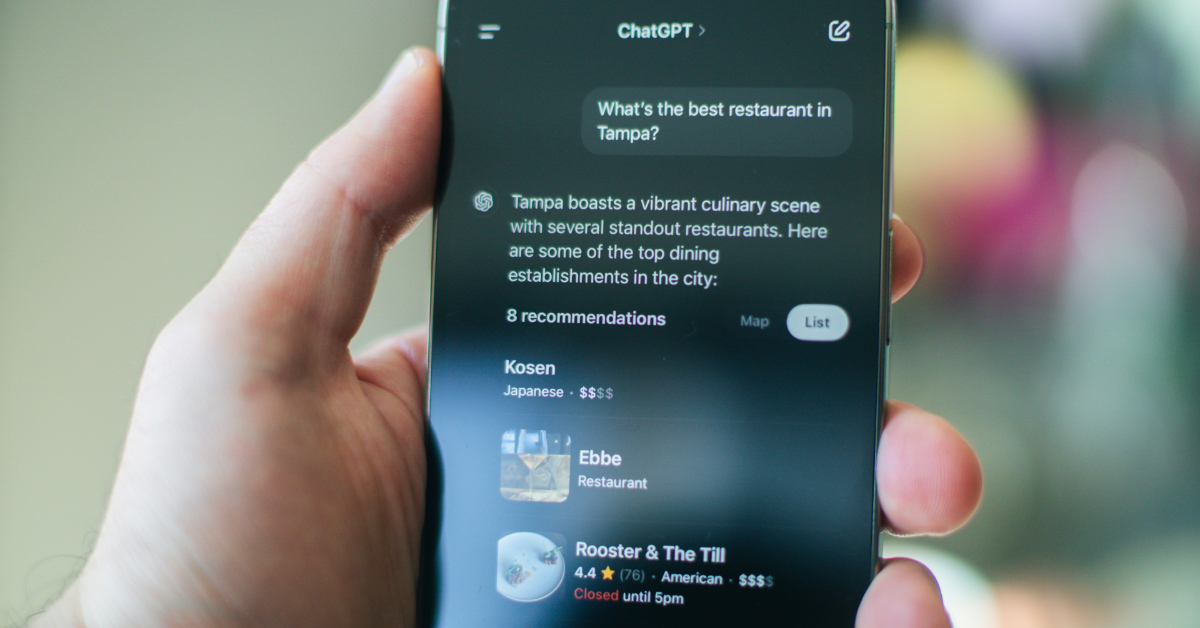
 The rise of AI-powered search experiences — from Google’s AI Overviews and AI Mode to tools like ChatGPT and Perplexity — is transforming how B2B buyers discover, evaluate, and engage with brands. Unlike traditional SEO, which targets rankings and clicks, AI search optimization (often called Answer Engine Optimization or AEO) focuses on getting your content served directly in AI-generated answers and responses.
Here are the top five changes B2B companies should make right now to stay visible (and competitive) in the AI search era.
1. Shift Your Goals: From Rankings to Answers
Traditional SEO aims to improve rankings on search engine results pages. AI search changes that paradigm — the goal now is to be the answer within AI responses. That means content must be structured and optimized so that models can extract, interpret, and cite your expertise directly.
Next steps: Identify high-intent buyer questions and reframe content to answer those directly in clear, concise segments early in the page.
2. Build Content AI Can Understand
AI systems favor content they can parse easily. That means moving beyond long blocks of marketing prose toward structured, machine-friendly content: clear question and answer headings, bullet lists, tables, and schema markup. ([tripledart.com][2])
Next steps:
1. Use FAQ sections and direct Q&A formatting.
2. Apply schema markup for key content types like FAQ Page, Product, or Service.
3. Break up content so the answer to a prompt appears right after the question.
3. Reinforce Brand Authority Across the Web
AI models draw from a wide variety of sources — not just your site. They assess brand credibility by signals like mentions in trusted publications, expert roundups, podcasts, and authoritative data references.
AI systems correlate external signals with trustworthiness. Positive mentions help ensure your brand shows up in AI answers, not just your content pages.
Next steps:
1. Proactively earn mentions in niche industry outlets, analyst reports, and partner blogs.
2. Participate in expert discussions and podcasts.
3. Encourage vendors, clients, and suppliers to reference your content in their material.
4. Keep Content Fresh and Relevant
AI models often prefer recently updated content, especially when information changes frequently or involves technical products and services. Updating content signals relevance and accuracy.
Next steps:
1. Add “Last updated” timestamps to key pages.
2. Regularly refresh statistics, examples, and product details.
3. Audit top-performing pages quarterly for updates.
Freshness ensures your answers remain relevant to both users and the AI systems that decide which content to surface.
5. Measure AI Visibility, Not Just Clicks
Clicks and traditional organic rankings no longer tell the whole story. AI search visibility is about mentions, citations, and inclusion in responses, even if users never click through.
Next steps:
1. Measure frequency of brand mention in major AI tools (e.g., ChatGPT, Perplexity).
2. Track AI share of voice for target questions.
3. Monitor Branded query growth following AI citations.
Tools like AI visibility trackers can help you measure these signals and refine your strategy.
Bottom Line: AI Search Isn’t the Future — It’s Now
AI search is quietly reshaping buyer discovery, especially in complex B2B buying journeys where conversational queries are becoming the norm. To win in this environment, B2Bs must update not just how they optimize content, but why they optimize it.
Start with these five changes today and position your brand to be the answer tomorrow — wherever decision-makers choose to search.